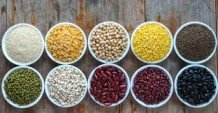
Pulses

Pulses are the dried, edible seeds of leguminous plants, renowned as sustainable, high-protein, and fiber-rich annual crops. Major types include dry beans, lentils, chickpeas, and peas. They fix nitrogen to improve soil health and require significantly less water compared to other crops. Key types include chickpeas, lentils, mung beans, and black gram.  Key Types of Pulses…
Read More

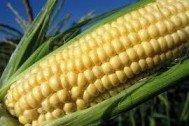
Maize

Maize (corn) is a vital, high-yielding C4 cereal crop, ranking as the third most important grain in Pakistan after wheat and rice. It is widely cultivated for human consumption, animal feed, and industrial starch/ethanol production. Key seasons include spring (Feb-Mar) and autumn (July-Aug), with high water and nutrient demands.  Key Aspects of Maize Cultivation: Economic Significance:

Read More

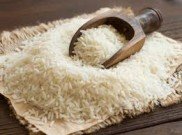
Rice

Rice is a crucial, globally consumed, gluten-free cereal grain (primarily Oryza sativa) that serves as a staple food for over half the world’s population, particularly in Asia. It is a vital energy source, rich in carbohydrates, with varieties including white and nutrient-dense brown rice.  Key Aspects of Rice: Common Uses:

Read More

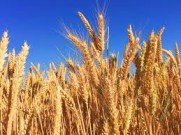
Wheat

Wheat is a globally significant,, nutrient-rich cereal grain (genus Triticum) and a primary staple food for over a third of the world’s population. It is a major source of protein, carbohydrates, and dietary fiber, primarily used for flour in breads, pasta, and biscuits. Key producers include China, India, Russia, and the U.S., with major types being common…

Read More

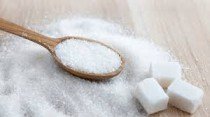
Sugar

Sugar is a sweet-tasting, water-soluble carbohydrate derived primarily from sugarcane and sugar beets, used globally for energy and food preservation. While natural sugars exist in fruit and milk, added sugars in processed foods (sucrose, high-fructose corn syrup) are linked to obesity, diabetes, and heart disease. Experts recommend limiting added sugar to less than 10% of daily…

Read More

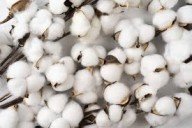
Cotton 

Cotton is a soft, staple fiber obtained from the Gossypium plant, primarily composed of cellulose and grown in tropical/sub-tropical regions for textiles, food (oil), and cosmetics. It is highly breathable, durable, and absorbent, making it the world’s most popular natural fiber for clothing Key Characteristics and Uses: Industry Context:

Read More