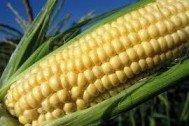
Maize (corn) is a vital, high-yielding C4 cereal crop, ranking as the third most important grain in Pakistan after wheat and rice. It is widely cultivated for human consumption, animal feed, and industrial starch/ethanol production. Key seasons include spring (Feb-Mar) and autumn (July-Aug), with high water and nutrient demands.
Key Aspects of Maize Cultivation:
- Production: As of 2024, maize production in Pakistan is 10.634 million tons, primarily in Punjab (9.739 million tons) and Khyber Pakhtunkhwa (0.886 million tons).
- Seasons:
- Spring Maize: Sown Feb–March, harvested June–July, high yielding.
- Autumn/Kharif Maize: Sown mid-July to mid-August.
- Soil and Climate: Requires well-drained, fertile soil with a pH of 5.5–7.5. It requires warm temperatures (
) for growth and is sensitive to frost.
- Water Management: Requires 500–800 mm of water, with critical needs during the flowering stage.
- Seed Rate: For hybrid varieties, the recommended seed rate is 8–10 kg per acre.
- Varieties: Popular hybrids include Pioneer-30Y87, Pioneer-3025, CS-200, and others, often used for high-density planting (30-35 thousand plants per acre).
Economic Significance:
- “Other Gold”: Often called “the other gold” due to its high yield and industrial value.
- Economic Impact: Contributes approximately 3% to agricultural value-added products and 0.7% to the GDP of Pakistan.
- Usage: Used for poultry feed (over 50% in some regions), human consumption (flatbreads, snacks), and starch industries.
- Industry Drivers: The shift towards hybrid seeds has significantly increased yields in the last decade.