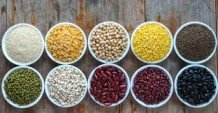
Pulses are the dried, edible seeds of leguminous plants, renowned as sustainable, high-protein, and fiber-rich annual crops. Major types include dry beans, lentils, chickpeas, and peas. They fix nitrogen to improve soil health and require significantly less water compared to other crops. Key types include chickpeas, lentils, mung beans, and black gram.
Key Types of Pulses Crops
- Chickpeas (Garbanzo Beans): A major, high-value winter pulse.
- Lentils (Lens culinaris): Lens-shaped, available in red, green, brown, and black.
- Dry Beans (Phaseolus vulgaris): Includes kidney, navy, pinto, black, and haricot beans.
- Dry Peas (Pisum sativum): Garden peas and protein peas.
- Mung Beans (Green gram): A major summer legume.
- Black Gram (Urad): A significant pulse crop in South Asia.
- Pigeon Peas (Arhar/Toor): A common tropical legume.
- Others: Cowpeas, faba beans, moth beans, vetches, and lupins.
Key Characteristics and Benefits
- Nutritional Value: High in protein, fiber, and essential nutrients like iron.
- Sustainability: They are nitrogen-fixing, which increases soil fertility and reduces the need for fertilizers.
- Water Efficiency: They have shallow root systems and use less water, making them drought-resistant.
- Harvesting: Unlike other legumes (like soybeans or peanuts), pulses are harvested solely for their dry seeds.
- Production: Major producers include India, Canada, and various developing countries.
Pulses are essential for global food security, offering a sustainable, shelf-stable, and nutritious food source.