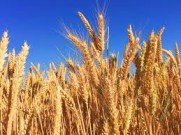
Wheat is a globally significant,, nutrient-rich cereal grain (genus Triticum) and a primary staple food for over a third of the world’s population. It is a major source of protein, carbohydrates, and dietary fiber, primarily used for flour in breads, pasta, and biscuits. Key producers include China, India, Russia, and the U.S., with major types being common wheat (for bread) and durum (for pasta).
Key Aspects of Wheat:
- Types & Varieties: The most cultivated is common wheat (Triticum aestivum), while durum wheat (T. durum) is used for pasta. Ancient varieties include spelt, emmer, and einkorn.
- Nutritional Value: Wheat provides about 20% of food energy and protein globally. It contains gluten, which provides the elasticity for baking dough.
- Cultivation: It thrives in temperate climates, often grown in rotation with crops like canola, maize, or legumes.
- Uses: Beyond food, it is used for industrial production of starch, alcohol, and animal feed.
- Global Trade: Russia, the U.S., Canada, and France are major exporters, with prices highly sensitive to regional conflicts and weather conditions.
Common Uses:
- Flour: Used for bread, pasta, cakes, and cookies.
- Specialty Forms: Semolina (pasta), Bulgur (cracked wheat), and Couscous.
- Industrial: Starch, gluten, and ethanol production.